
How satellite-based knowledge benefits coastal zones
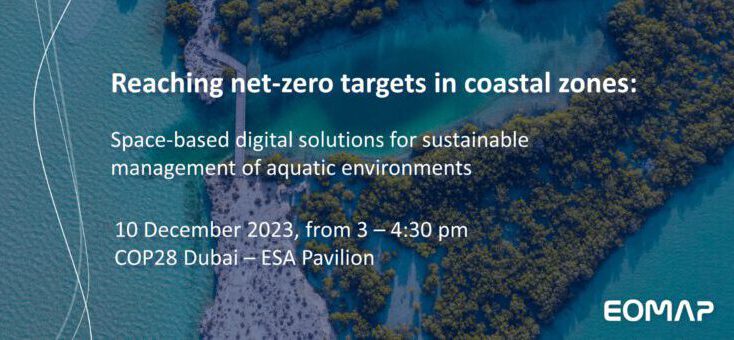
This topic was at the centre of our event at COP28 in Dubai. In 90 minutes Rahul Sidharth, EOMAP's Director for the Middle East, walked the audience through high-level video statements from partners, and addressed challenges and space-based solutions for coastal zone management. These included ESA-funded projects related to climate change and coastal resilience, such as the award-winning "Eyes on Plastic" app or the Global Development Assistance (GDA) AID Marine and Water Resources programmes.
Why coastal zones matter
Coastal areas – locating three quarters of world's bit cities – are not only highly attractive for living and critical infrastructure. Their shallow waters also host natural habitats, such as mangroves or seagrass meadows. These, in turn, are crucial for coastal resilience and protection, but also for biodiversity. Moreover, these ecosystems serve as significant carbon storage: According to IUCN, coastal ecosystems store up to ten times more CO₂ per equivalent area than forests . Therefore, coastal zones play a key role for both climate change adaptation and mitigation measures. Yet, the coasts' high importance stands in contrast to our lack of knowledge about them.
How space-based solutions help
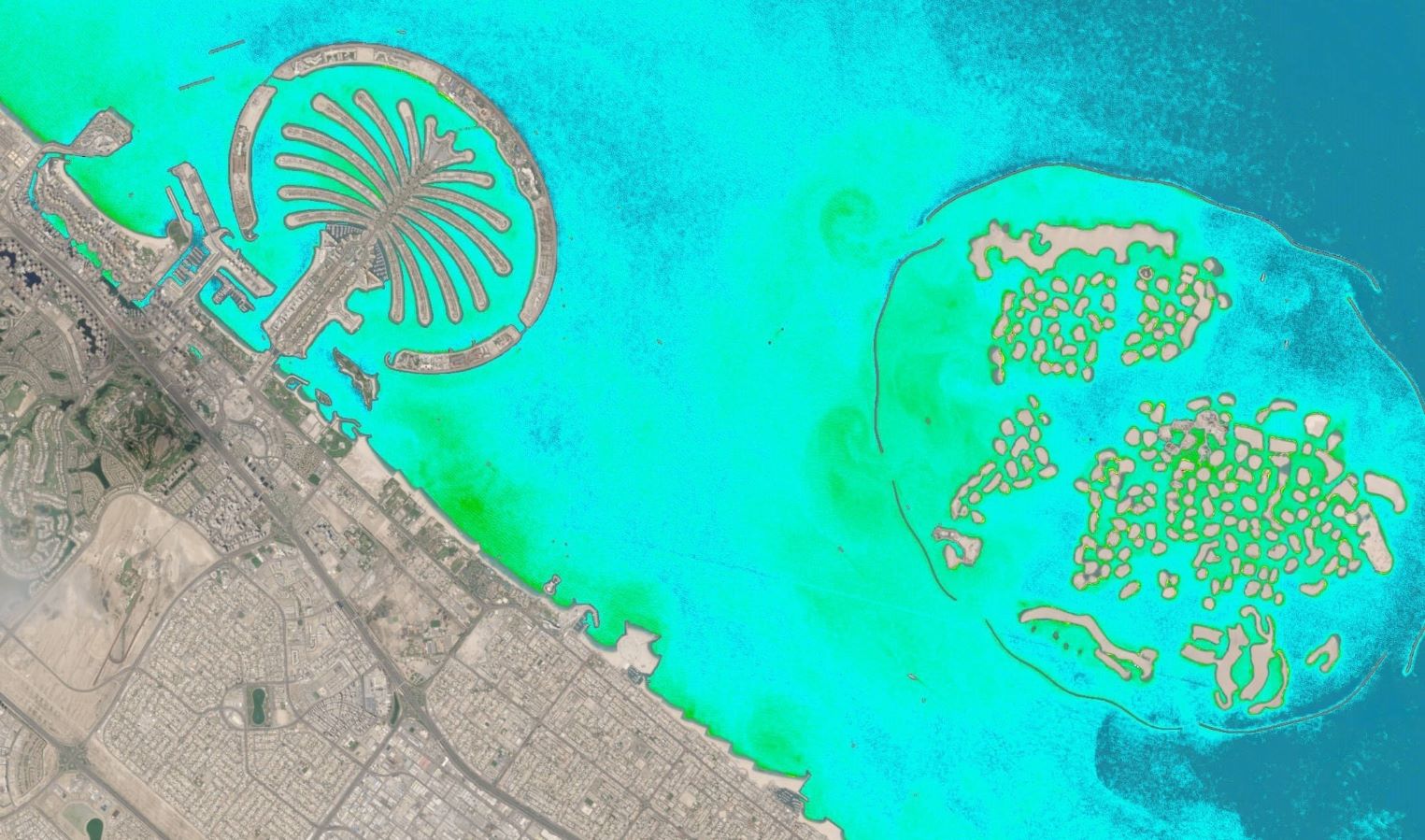
Earth Observation (EO) solutions – part of ESA's GDA Marine activity – enable a spatio-temporal assessment of "blue carbon" assets. Stocktaking of ecosystems services is widely considered mandatory for establishing baselines, nature-based solutions or restoration plans, but also for tracking impact of trends or aligning with policy regulations. EO can, for example, help map coastal waters and recovery of natural habitats after natural hazards, such as hurricanes, classify seafloor or quantify habitat loss as well as carbon storage capacity. In addition, satellite data can reveal coastal erosion or help better manage drinking water by monitoring and early warning systems.
Experts from NGO, Hydrography, Space Industry and Research
These Experts from across the globe have enriched the event with video statements. (Please find their statements below the text).
- Gwen Coat, Scientific Head of The SeaCleaners on fighting plastic pollution
- Dr Mathias Jonas, Secretary General of the International Hydrographic Organization (IHO) on their role in the UN Ocean Decade and why ocean and coastal mapping particularly matter in times of climate change
- Robbie Schingler, Co-founder of Planet, on the value of high-resolution satellite data for coastal management
- Oliver Zielinski, Director of the Leibniz-Institute for Baltic Research, on plastic mapping and multi-source approaches for digital twins of coastal environments.
Latest EOMAP News


Related Posts
03 / 2026
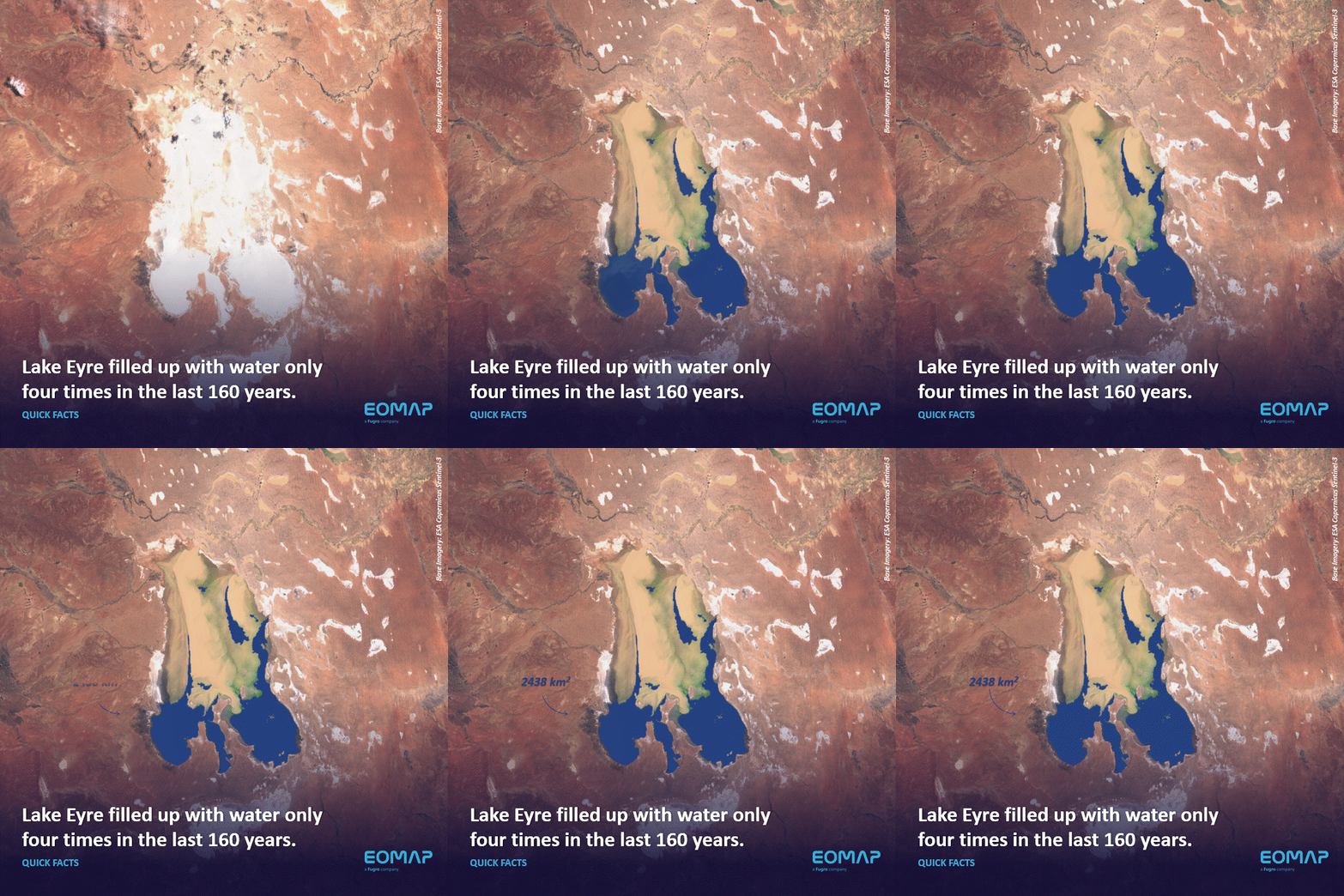
Quick Facts: Lake Eyre

02 / 2026
WATCOR‑X Bathymetry Software for Navies and Hydrographic Offices
02 / 2026
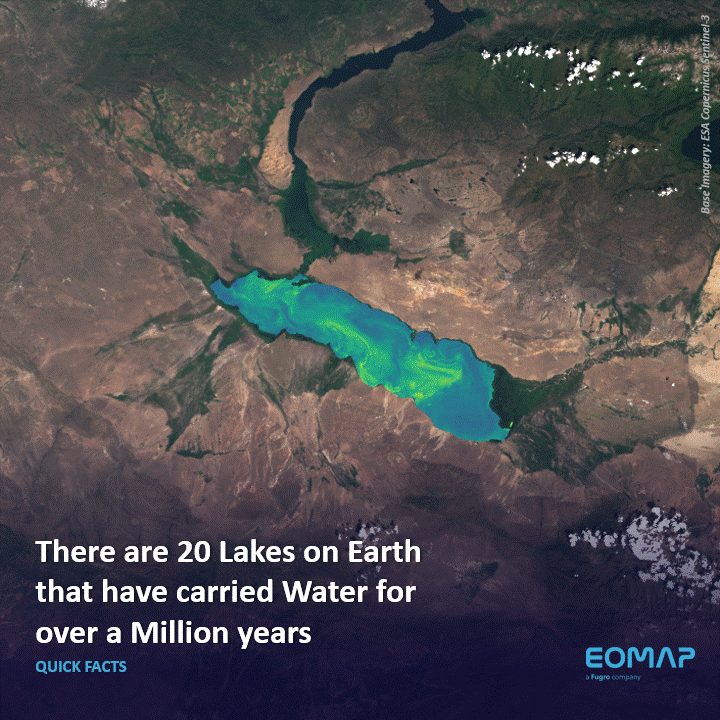
Quick Facts: Ancient Lakes
01 / 2026
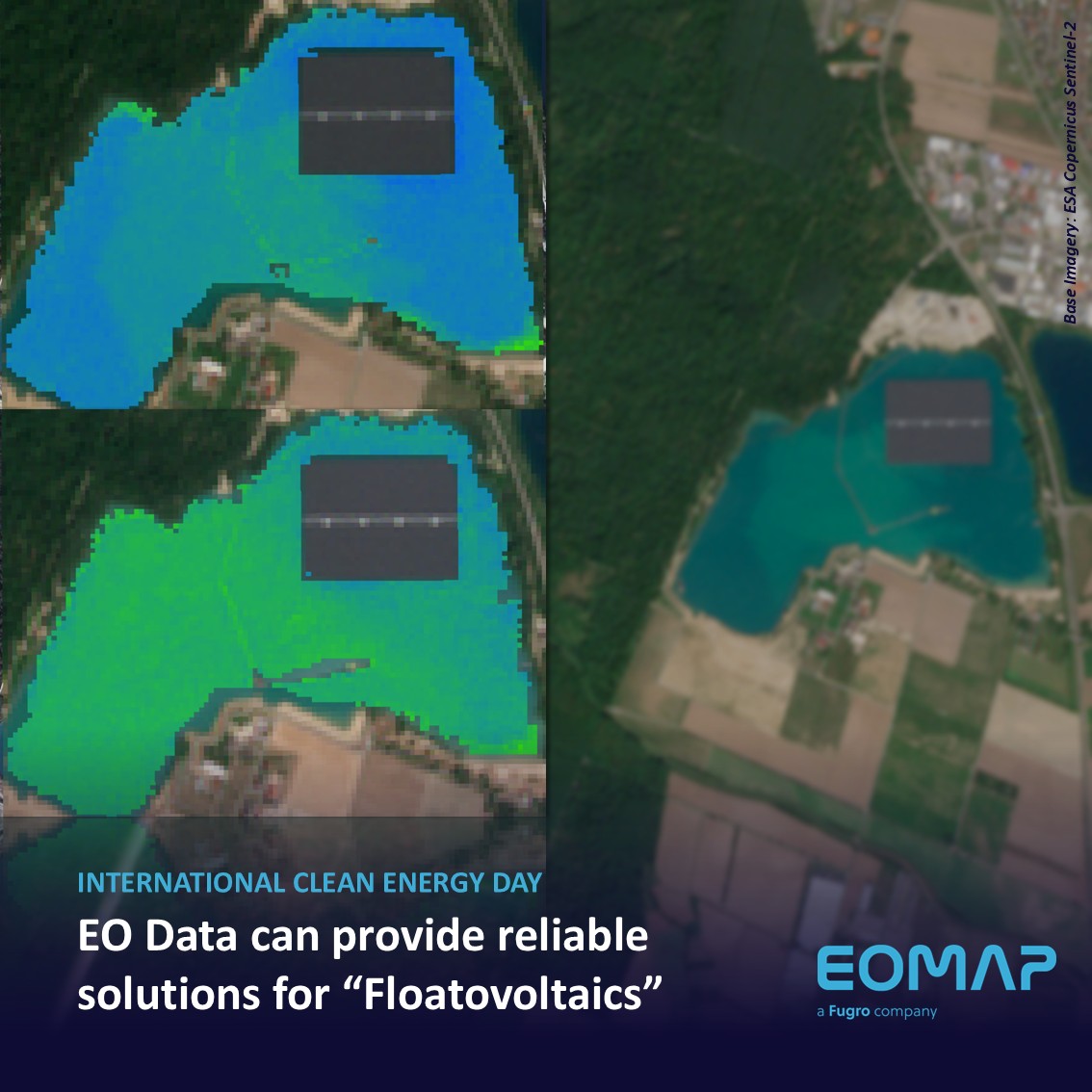
Space-based Intelligence for Clean Energy
01 / 2026
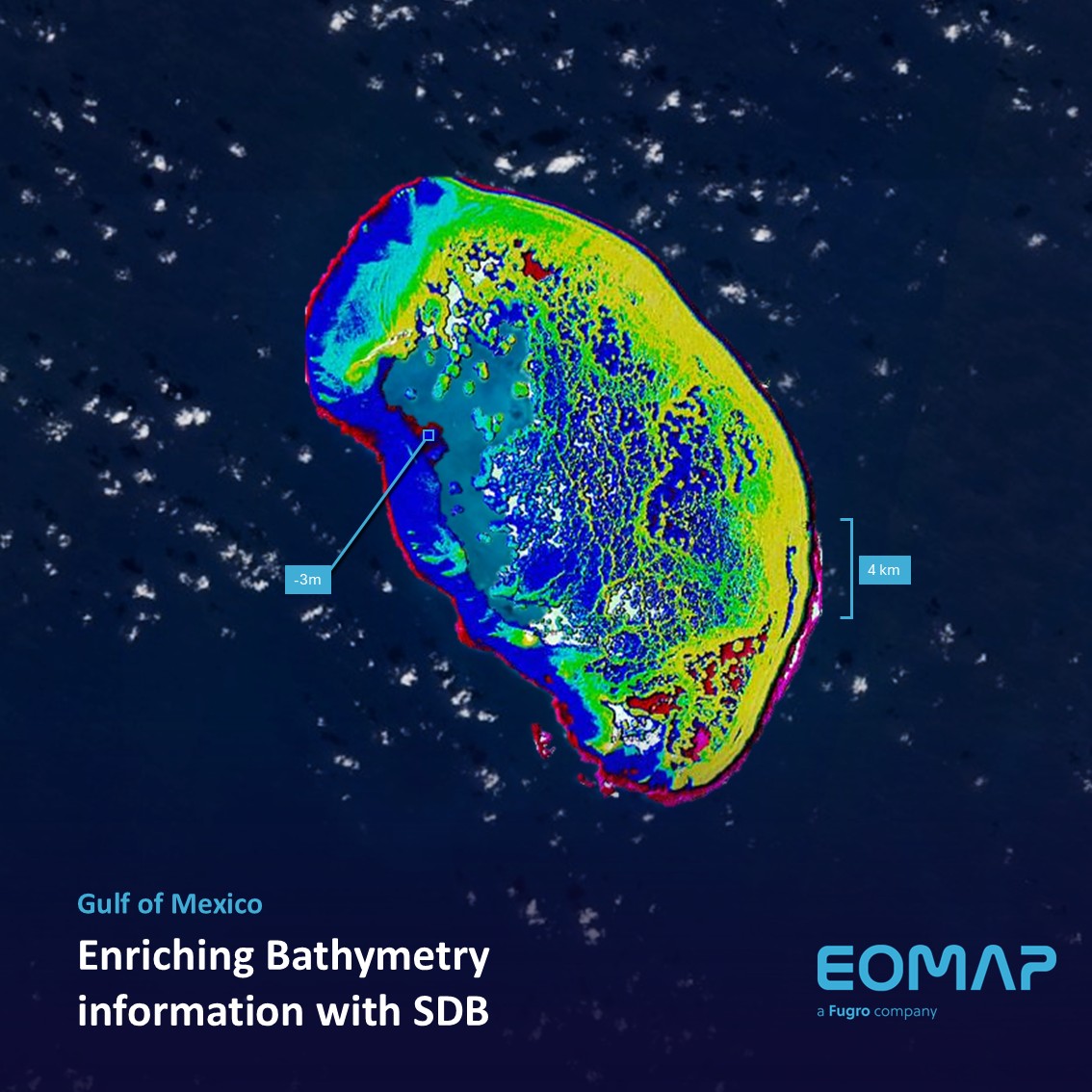
Bathymetry in the Gulf of Mexico
12 / 2025
A short recap of 2025
12 / 2025
From Climate to Nature and Biodiversity: Insights on COP30
12 / 2025
Water Crisis in Iran – Lessons to be learned
11 / 2025
Italian Webinar: Water Quality Monitoring from Space

11 / 2025