
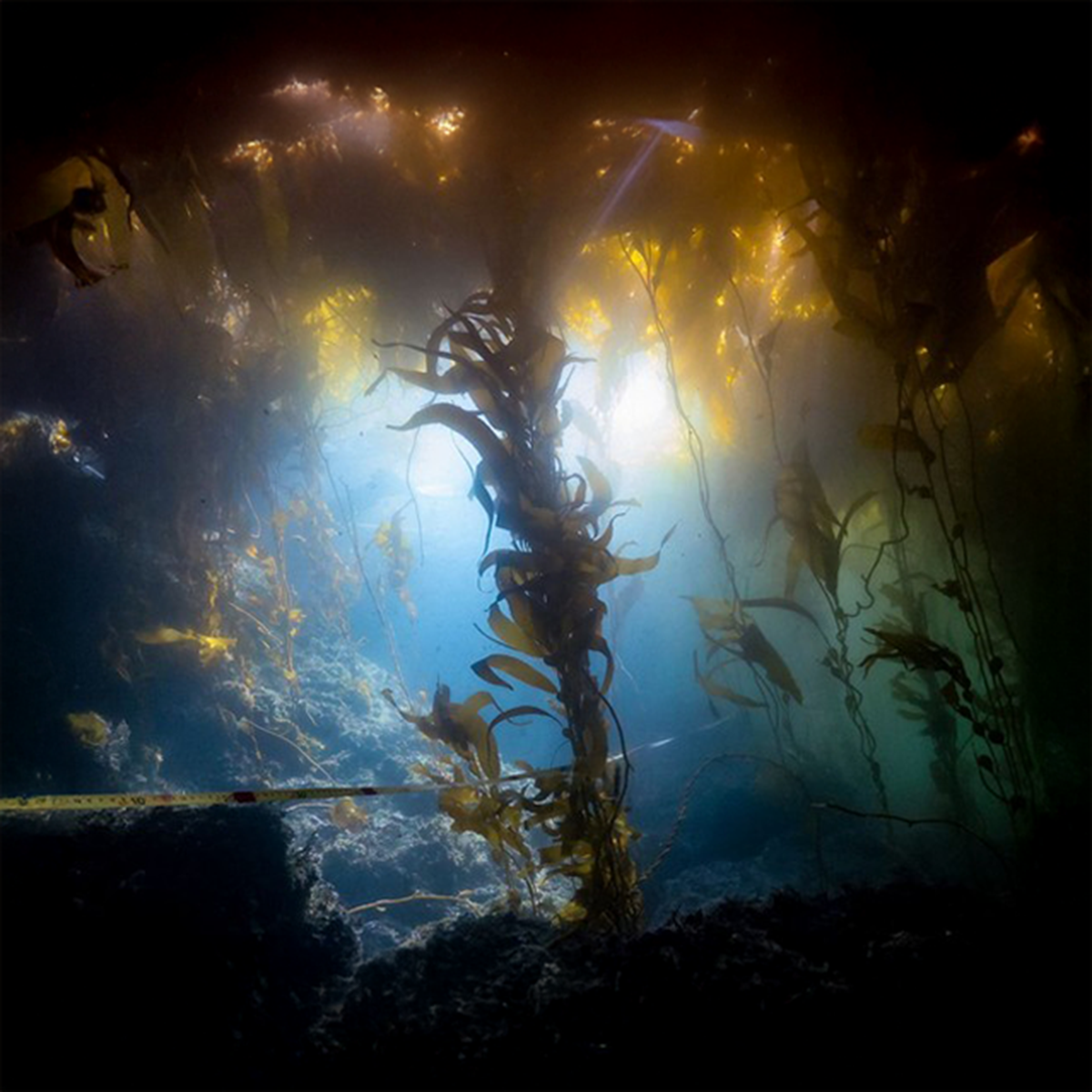
Kelp is a highly productive natural resource, providing food and shelter for marine life and the potential for carbon storage. The US ports of Long Beach and Los Angeles use satellite-based knowledge provided by EOMAP to understand where kelp grows and how sea surface temperature affects it.
Keeping an eye on kelp ecosystems
According to the National Oceanic & Atmospheric Administration (NOAA), kelp forests are highly dynamic ecosystems covering a third of the world’s coastlines. Their growth and distribution are greatly influenced by ecological dynamics, human impacts, and environmental stressors, such as a warming ocean. Kelp thrives in temperate coastal waters on rocky reefs, but will also grow in nearshore areas including break walls and riprap armored shorelines.
However, once the temperature rises above 18 – 23°C, the kelp canopy dies off and sinks to the seafloor where it fuels benthic food webs.
Kelp mapping through Earth Observation (EO)
Our long-term partner WSP in the U.S. – in collaboration with the authorities of Port of Long Beach and Port of Los Angeles – has been responding proactively to this challenge to understand kelp dynamics on urbanised coastlines. Exhausting the potentials of remote sensing
- they count on seasonal routines of kelp mapping and monthly water quality analysis,
- using very-high-resolution commercial Maxar Technologies (WorldView), Airbus Geospatial and Secure Connectivity Solutions (Pleiades NEO) and high-resolution Copernicus Sentinel-2 image data
- This way, the port authorities can keep track of the extent of surface and submerged kelp and crucial hashtag environmental impact factors on kelp growth such as turbidity and water temperature.
Supporting NOAA reporting on fish habitat impact
Data from these surveys are used in environmental documents and biological mitigation planning to meet NOAA requirements for Essential Fish Habitat (EFH) consultations under the Magnuson-Stevens Fisheries Conservation Act (MSA) to determine if port activities are likely to have an impact on EFH or protected species under the Endangered Species Act (ESA) and Fisheries Management Plans (FMP) for groundfish and pelagic species.
“The EOMAP team has been a great collaborator to apply remote sensing to the needs of both Ports. They consistently provide excellent technical support on image acquisition, analysis, and creating an online portal to view and export data.” (Kevin Stolzenbach)
On our side, we truly appreciate this cooperation with plenty of interesting insights on kelp protection.
More details
- Scroll through storymaps on biological surveys at LA Ports.
- Access the recent Report and see (p.10), how satellite imagery contributed.
- Please get in touch with our coastal team for more details.
- Read more on habitat mapping here.
Images
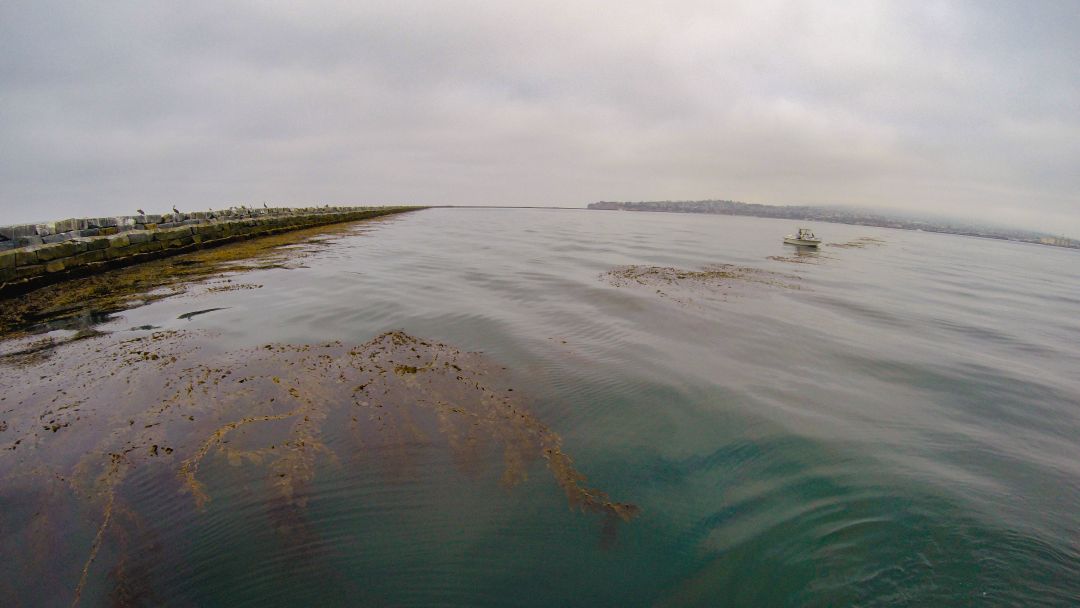
Short & Sweet
Kelp is a highly productive natural resource, providing food and shelter for marine life and the potential for carbon storage. The US ports of Long Beach and Los Angeles use satellite-based knowledge provided by EOMAP to understand where kelp grows and how sea surface temperature affects it.
Place & Time
Los Angeles, USA
2015 – now
Clients & Partners
WSP, Ports of Los Angeles
Related Use Cases
SmartCoast – Mangrove mapping in Australia
Water monitoring along the Zambezi
Advice4COASTS
Impact factors of oxygen loss on Elbe River
COASTS – Coastal resilience and blue carbon
Blue carbon – Mangrove mapping in Madagascar
Seagrass Mapping in Italy
3D live habitats for the full extent of the Great Barrier Reef
Catch-Mekong
Water Quality for Lactec Brazil