
An opinion piece by Dr. Rainer Ressl – Head of Climate and Biodiversity Solutions at EOMAP
The Conference of the Parties of the UN Climate Change Conference (COP30) in Belém started – once more – with high expectations. It ended with mixed reactions. Science warned – once more – that time is nearly up. Negotiators made some progress on adaptation, forests and oceans but stepped back from tougher decisions – once more – on reducing fossil fuels and deforestation.
For us working in climate, water, and nature data, the message was clear: the world needs stronger action, and it needs reliable information to support it.

Dr. Rainer Ressl – Head of Climate and Biodiversity Solutions at EOMAP
Climate: Alarming signals, limited breakthroughs
The conference opened with repeated warnings from global scientific bodies. While the exact temperature figures vary across reports, all agreed that 2025 is expected to rank among the warmest years on record and that the world remains far off the 1.5°C pathway (WMO). Analyses of national climate pledges highlight a significant gap between current trajectories and emissions reductions required for climate safety.
Yet, COP30 could not agree on a firm language to phase out fossil fuels. Countries with oil- and gas-dependent economies resisted to create a binding global commitment. The outcome also avoided any detailed roadmap for reducing fossil fuel production and use. This was one of the most widely criticised shortcomings of Belém.
Nature and biodiversity: Action grows through reporting and corporate standards
Across COP30 side events and initiatives, momentum grew around improving biodiversity measurement and disclosure. While no single ISO biodiversity standard was formally released at COP30, the global push for more consistent, auditable nature reporting frameworks was evident and will likely influence environmental management in the coming years.
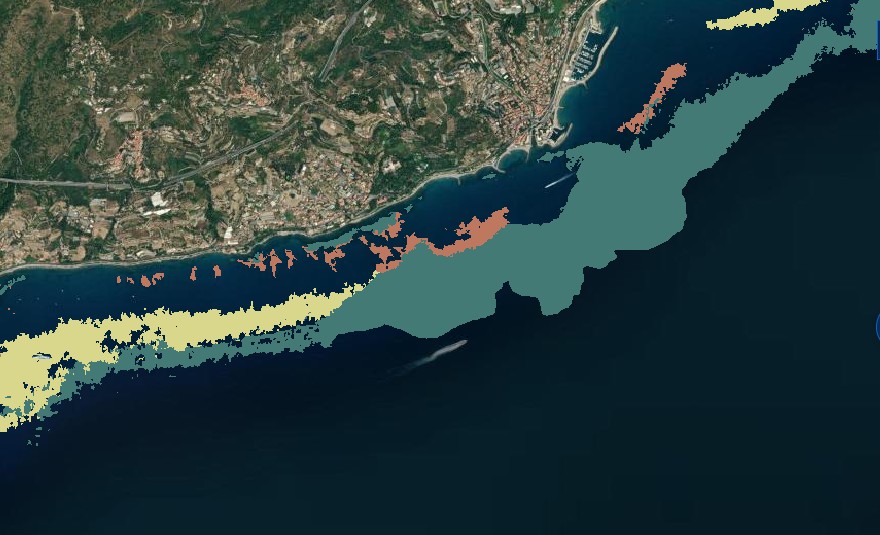
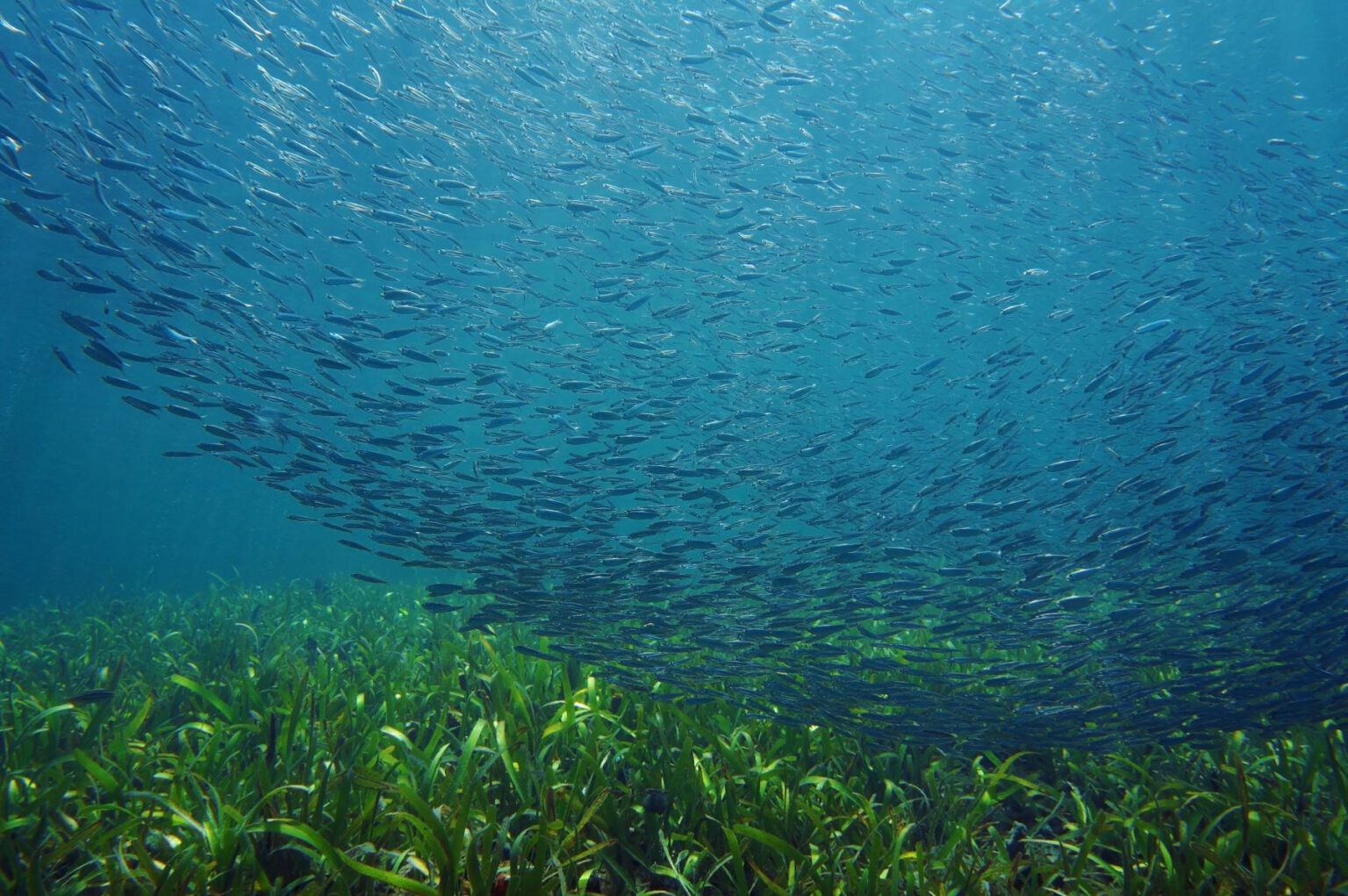
Seagrass meadows protect coastlines, are fish nurseries and store carbon. In close cooperation with Fugro, we mapped seagrass species along the entire Italian coast for restoration and conservation purposes.
Oceans: A clear step forward
One of Belém’s more positive storylines came from the ocean agenda. More countries joined efforts to integrate the ocean into their national climate plans, building on initiatives like the Blue NDC Challenge. While exact global percentages vary, analyses agree that an increasing number of coastal and island nations now include ocean-based climate solutions in their pledges.
Albeit this positive development, ocean observing systems remain under pressure. The latest Global Ocean Observing System (GOOS) report highlights a mix of progress and vulnerability. Observing infrastructure is improving but remains underfunded and uneven. Without coordinated investment, global ocean monitoring will struggle to meet rising climate and biodiversity challenges.
In a nutshell, we can state the following challenges and positive signals.
Challenges
There is an obvious gap between talk and action. Specifically, we can identify these shortcomings:
- No commitment to phase out fossil fuels.
- No binding roadmap to stop deforestation.
- Climate and biodiversity finance still fall short of what science calls necessary.
- Ocean data systems remain fragile.
- The global emissions trajectory continues to miss the 1.5°C pathway.
- These gaps reinforce that political will, not scientific uncertainty, is the limiting factor.
Positive signals
Despite these drawbacks, we can see progress through these initiatives and partnerships:
- A significant forest-finance mechanism was launched through the Tropical Forest Forever Facility.
- Adaptation finance receives heightened priority.
- Ocean and coastal resilience rise in national climate planning.
- Improved biodiversity measurement and nature-positive approaches gain traction.
- These developments move climate, nature and ocean issues closer together, creating a more integrated policy landscape
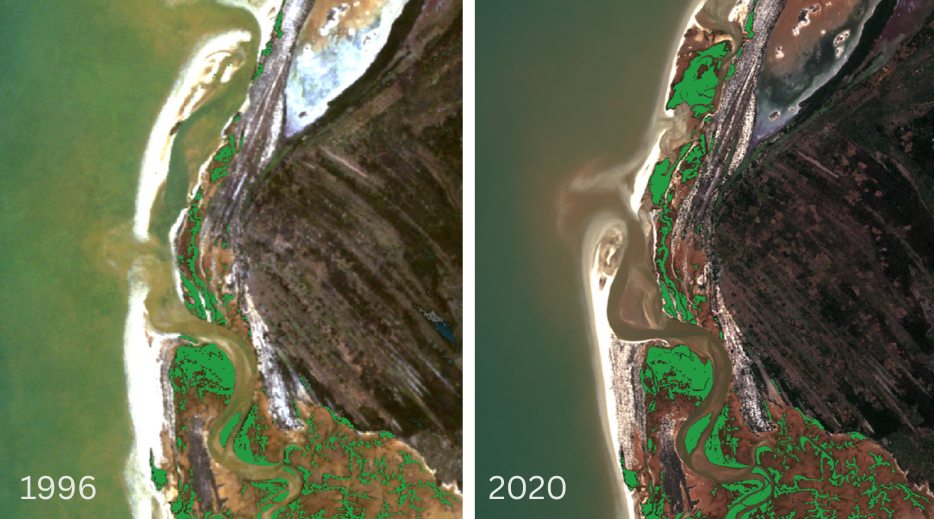
Coastal habitats are crucial carbon sinks. Ecosystem mapping, such as these mangroves in Madagascar, also supports Blue Finance.
What this means for our work
COP30 sends a clear message: data, monitoring and nature-intelligence will be essential for delivering real progress.
The outcomes reinforce our strategic direction within EOMAP, a Fugro company, and Fugro’s Climate & Nature team.
- Scale up blue-carbon and coastal-ecosystem monitoring
Countries need reliable mapping and long-term monitoring of mangroves, seagrasses and tidal wetlands. Our satellite-based analytics and coastal data services can support integration of these ecosystems into climate planning and nature finance. - Strengthen water-quality and coastal-risk services
From turbidity and sediment dynamics to bloom detection and coastal erosion, monitoring will be central to adaptation projects as finance increases. - Support the growing demand for biodiversity assessment and disclosure
As environmental reporting frameworks mature, organizations will need transparent, science-based tools. Our EO capabilities can help quantify ecosystem change and impact. - Expand partnerships for ocean observation
COP30 highlighted the fragility of global ocean and coastal observing systems. Collaboration with governments, research institutions and private partners is essential to generate climate relevant data and insights. - Accelerate translation of global policy into practical tools
Our role is to turn national and international commitments into workable, measurable solutions and decision support tools for coastal managers, NGOs, governmental institutions and industries.
Closing thought
COP30 did not deliver everything the world had hoped for. However, it strengthened the case for applied science and high-quality environmental data.
For us at EOMAP, the takeaway is very straightforward: Our expertise in coastal, aquatic and nature observation is becoming even more critical for climate action.
Further readings
Analysis of outcomes by “Carbonbrief”, the award-winning UK-based website on climate science and policy
Round-up by the UN Ocean Decade, the IOC-driven initiative stimulating ocean science and knowledge generation
The Búzios Statement by 250 scientists, pinpointing global benchmarks, such as the reduction of global fossil fuel production
An analysis of COP30’s fossil fuel and deforestation talks by the Institute of Sustainable Development
Let’s connect
Check out more climate-related projects here.
Discuss your needs with Rainer and the coastal team.
Latest EOMAP News

Reuters bases Mekong article on EOMAP data

YellowScan integrates EOMAP’s services into LiDAR mapping solution

So machen Tourismusregionen saubere Gewässer sichtbar

Blaualgen per Satellit: Jede Badestelle im Blick
The Development of EOMAP’s Water Quality Platform

Launching the world’s first comprehensive global water quality atlas with UNESCO
Related Posts
10 / 2026
YellowScan integrates EOMAP’s services into LiDAR mapping solution
10 / 2026
So machen Tourismusregionen saubere Gewässer sichtbar
09 / 2026
Blaualgen per Satellit: Jede Badestelle im Blick
09 / 2026
The Development of EOMAP’s Water Quality Platform

08 / 2026
Launching the world’s first comprehensive global water quality atlas with UNESCO
08 / 2026
eoapp DIVE unterstützt die Tauchplanung
06 / 2026
Mapping the ‘unmappable’ Great Barrier Reef
06 / 2026
Dredge plume monitoring using satellite-based turbidity mapping
05 / 2026
Pioneering seagrass mapping at the Italian coastline in 2006
04 / 2026