
Winter is a challenging period for the hydropower sector. In her feature “Winter hydropower operations in focus: from reactive to proactive management” for the online mag “Power Technology”, Scarlett Evans outlines problems and challenges the cold season poses, but also innovative solutions to address these.
Peak electricity demand
Hydropower’s winter vulnerability is growing. Peak demand coincides with infrastructure stress and limited water availability. Climate-driven shifts, such as variable precipitation, mid-season thaws, or rapid snowmelt add complexity. Advanced monitoring and predictive systems are now critical for proactive operations.
Near realtime snow estimates
In her article, Evans makes the case for accurate snow data: ‘According to the European Space Agency (ESA), during the winter more than 50% of the water used for hydropower production in colder climates is stored as snow. Accurately measuring that storage is essential for managing flood risks, anticipating potential drought and forecasting power generation.’
Furthermore, International Hydropower Association (IHA) vice-chair Dr Óli Sveinsson states: ‘With increased monitoring and longer lead inflow, forecasting changes can be anticipated and production planning optimised.’
Satellite technology for forecasting
In this context, the author introduces – among others – the SnowPower solution: ‘Integrating satellite and radar sensors from the ESA’s Sentinel-1 constellation, the system retrieves snow depth information across vast and often inaccessible areas, allowing operators to monitor snow water equivalent and melt dynamics‘, before quoting SnowPower project manager Sina Starmans: ‘Better data helps them decide when to generate more or less power, anticipate excess water, and ultimately maximise energy production from the available snow water equivalent.’ Evans also highlights the value of historical data for identifying long-term shifts in snowmelt patterns and supporting future infrastructure planning.
Towards more resilience in hydropower
The author concludes that the challenge no longer is to withstand extreme cold, but to anticipate how shifting snowmelt and freeze-thaw cycles affect water availability weeks or months in advance. According to Óli Sveinsson, hydrology should be seen as a dynamic rather than stationary force in the future. Moreover, he expects applying climate data and modelling to increase resilience of hydropower installations.
Read the full article here.

Sina Starmans, EO specialist and project manager
Let’s connect
Please contact Sina Starmans and the water quality team.
Check out more on SnowPower here.

Latest EOMAP News

Reuters bases Mekong article on EOMAP data

WATCOR‑X Bathymetry Software for Navies and Hydrographic Offices

Quick Facts: Ancient Lakes

Space-based Intelligence for Clean Energy
Bathymetry in the Gulf of Mexico

Pro-active hydropower management in winter
Related Posts

02 / 2026
WATCOR‑X Bathymetry Software for Navies and Hydrographic Offices
02 / 2026
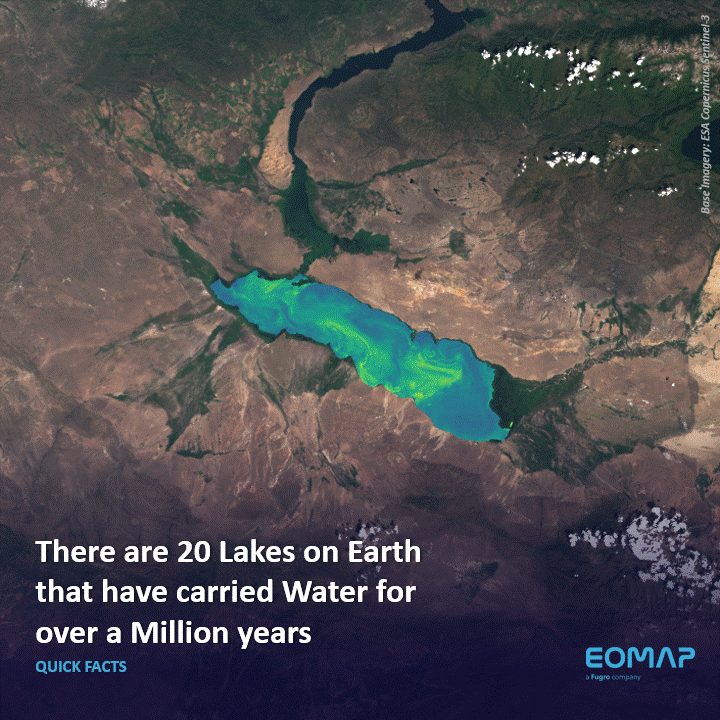
Quick Facts: Ancient Lakes
01 / 2026
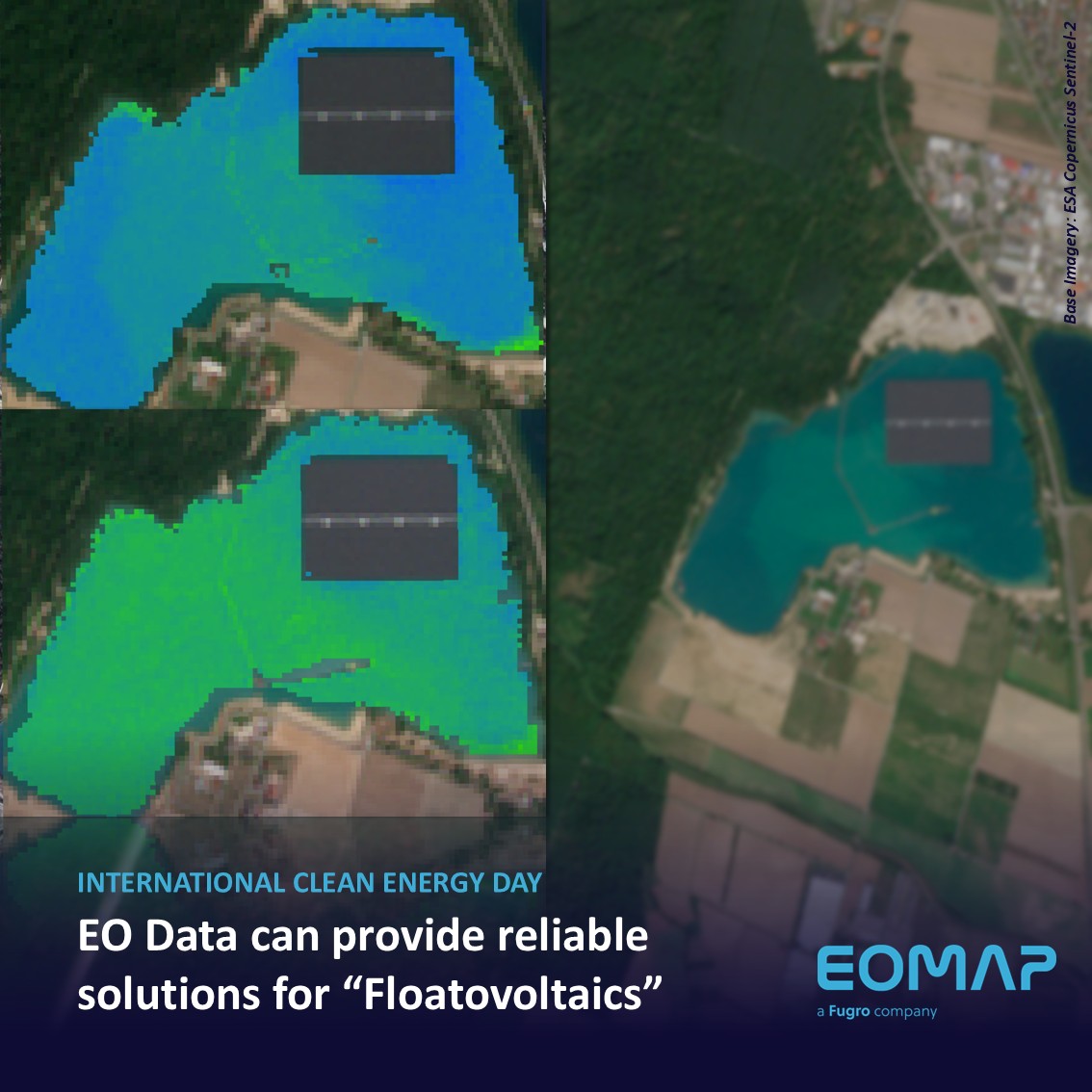
Space-based Intelligence for Clean Energy
12 / 2025
A short recap of 2025

12 / 2025
From Climate to Nature and Biodiversity: Insights on COP30
12 / 2025
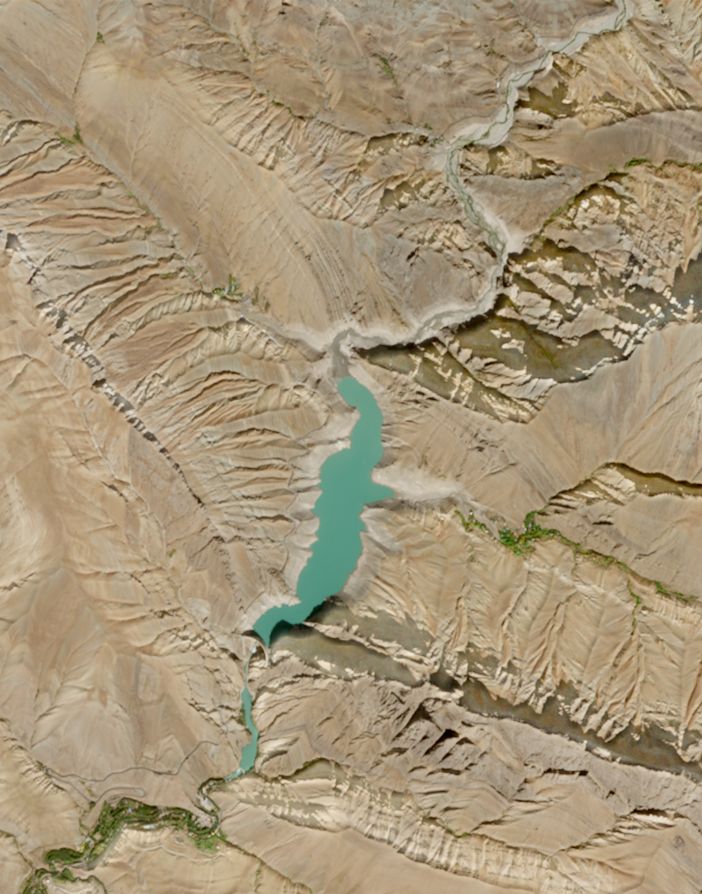
Water Crisis in Iran – Lessons to be learned
11 / 2025
Italian Webinar: Water Quality Monitoring from Space

11 / 2025
Projektstart SEAGUARD
10 / 2025
New Storymap: Bathing Water Monitoring from Space
09 / 2025