Changing perspectives on water quality monitoring

The rising number of pollutants entering our waterways are challenging our ability to monitor and maintain essential supplies of clean water. Water management teams on the ground often cover large networks of freshwater lakes, rivers or streams stretching over vast landscapes or circumnavigating through remote or inaccessible locations. With these logistical hurdles in mind, there is a pressing demand for new technologies to support water management teams as they undertake one of the biggest challenges for modern society. The UNESCO and many other users believe the answers should also lie within the resources of satellite-based earth observation (EO).

Space-based monitoring

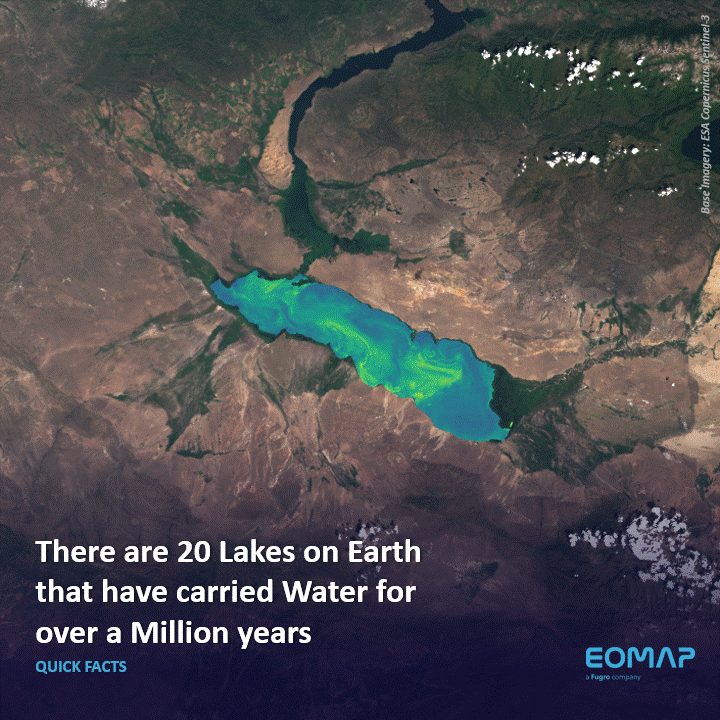
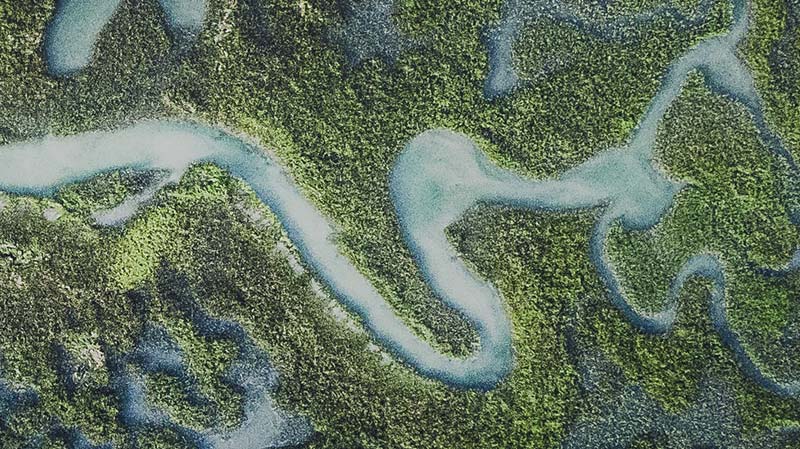
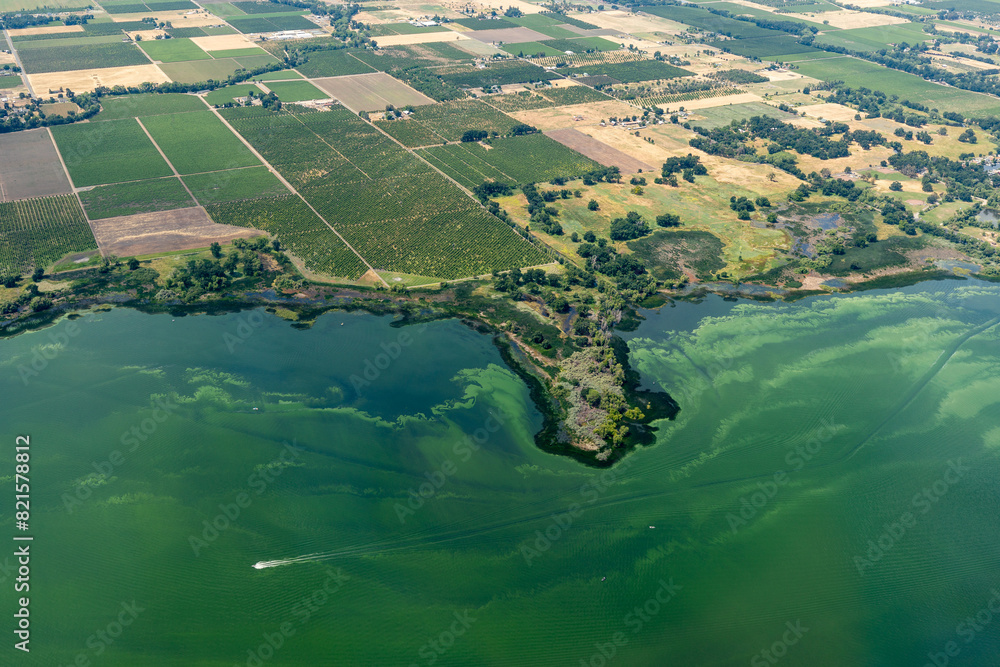
Water Quality Monitoring: Chlorophyll status indicating harmful algal bloom in Mecklenburg Lake Plateau

Today, numerous of vibrant images of the earth are captured daily using satellite-based technology. The exploitation of this potential requires a greater understanding of the colours that show the earth’s surface and what they mean for the health of ourmarine and freshwater systems.
The colour of light that is scattered back out of water can be measured from space and used to derive information about what is in the water column including turbidity, phytoplankton abundance, sediments and harmful algal blooms indicators. With the knowledge of these light characteristics, experts can obtain concentration levels of different water quality parameters which can then be used to employ effective management and mitigation practices.
Inland water bodies can undergo a range of natural changes over time, often exacerbated bynearby human activities such as agricultural run off. Yet any efforts to collect data on the ground are limited in both time and space. For this reason, satellite-based observations are important in providing a global view of the earth and monitoring how the patchwork of colours change over time.

Innovating water quality algorithms

The ability to observe water bodies from space has established earth observation (EO) as an important source of information on water quality and ecosystem condition. Earth observation based measurements are of significant value for the evaluation of water bodies, if the measurements can be provided independently to in-situ data and if globally harmonised.

You can read the high- resolution article here , page 54.


world map for unesco water quality portal

Latest EOMAP News

  • turbidity in Mekong deltaturbidity in Mekong delta
    Reuters bases Mekong article on EOMAP data
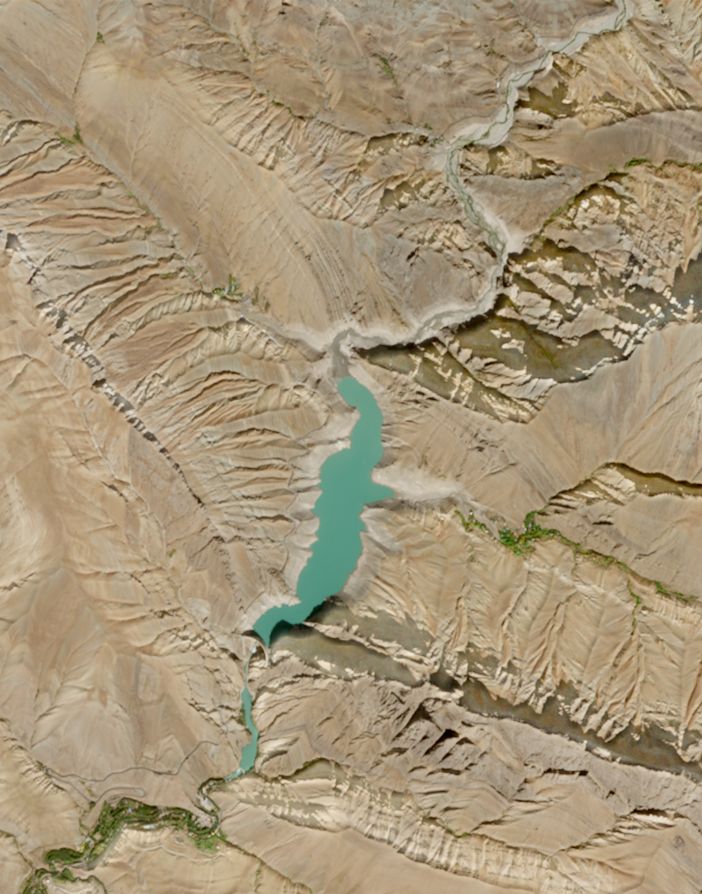
  • Satellite imagery of the Amir-Kabir reservoir during Iran's water crisis in late 2025Satellite imagery of the Amir-Kabir reservoir during Iran's water crisis in late 2025
    Water Crisis in Iran – Lessons to be learned
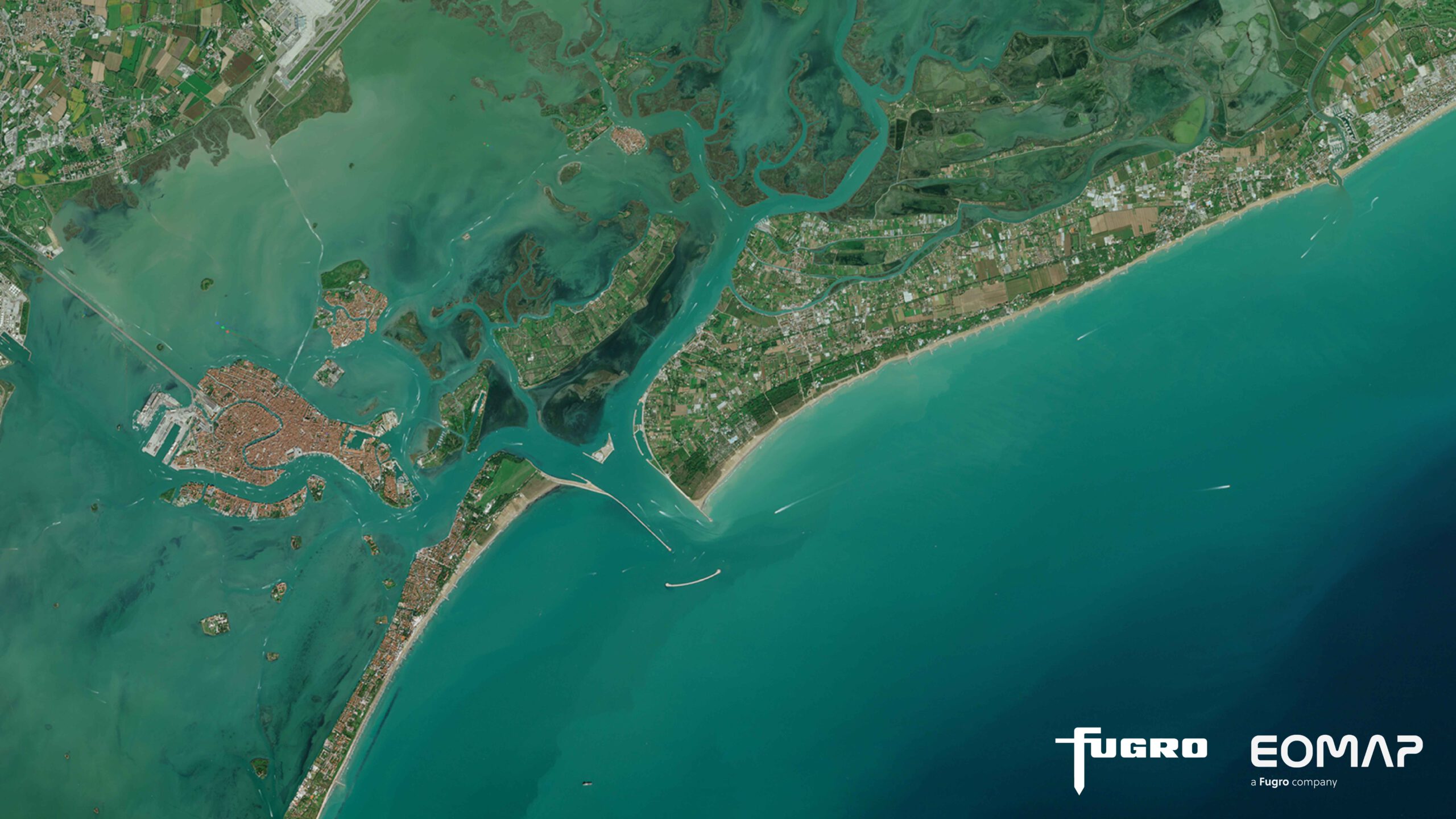
  • Lido di Venezia, Italy, seen from space by satellite imageryLido di Venezia, Italy, seen from space by satellite imagery
    Italian Webinar: Water Quality Monitoring from Space
  • Seaguard Kickoff VisualSeaguard Kickoff Visual
    Projektstart SEAGUARD
  • Blz 20210317 Ssr Hillshadesdb 01 LowresBlz 20210317 Ssr Hillshadesdb 01 Lowres
    SDB Update #9 – Validation and Accuracy
  • Bathing Water Monitoring Key Application V03Bathing Water Monitoring Key Application V03
    New Storymap: Bathing Water Monitoring from Space

Related Posts