
On this international Clean Energy Day, the United Nations highlight the need for a just, rapid, and global energy transition. Healthy aquatic systems and reliable data from space play key roles here.
The UN Secretary-General emphasizes that ‘renewables are the engine that can drive this transition.’ However, grid infrastructure, high costs, and accessibility barriers continue to slow down global progress.
How EO can speed up the energy transition
At EOMAP, we know that water is a key pillar of the energy transition, whether for hydropower, coastal infrastructure, risk management, or environmental monitoring. And this is exactly where satellite data delivers crucial advantages:
- Global and continuous monitoring of water quality, sediment dynamics, and water levels
This is essential for hydropower-relevant reservoirs, which can now be monitored more accurately than ever through satellite data.
Challenge the eoapp HYPOS and the SnowPower tool. - Improved planning of renewable energy projects
EO data supports the siting of floating solar, offshore wind, and hydropower projects by visualizing dynamics, flow conditions, and long-term environmental changes.
Challenge the BLUE-X toolbox, designed to accelerate offshore renewables. - Faster reaction capability
Decision-makers can detect changes in rivers, lakes, and coasts within hours, especially during extreme events or risks to energy infrastructure.
Challenge eoapp AQUA and its alert functions.
Our mission: Environmental intelligence
A clean energy future requires more than renewable technologies. We also need a deep understanding of our blue planet. With space-based environmental intelligence, we support utilities, authorities, and industries in smarter risk management and sustainable decision‑making
 Use cases across the world
In many projects worldwide, we are already delivering actionable insights for hydropower reservoirs and other renewable energy installations. These include Georgean and Albanian reservoirs, and Cahora Bassa in Mozambique.
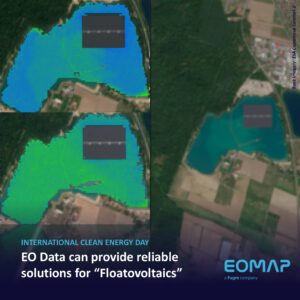
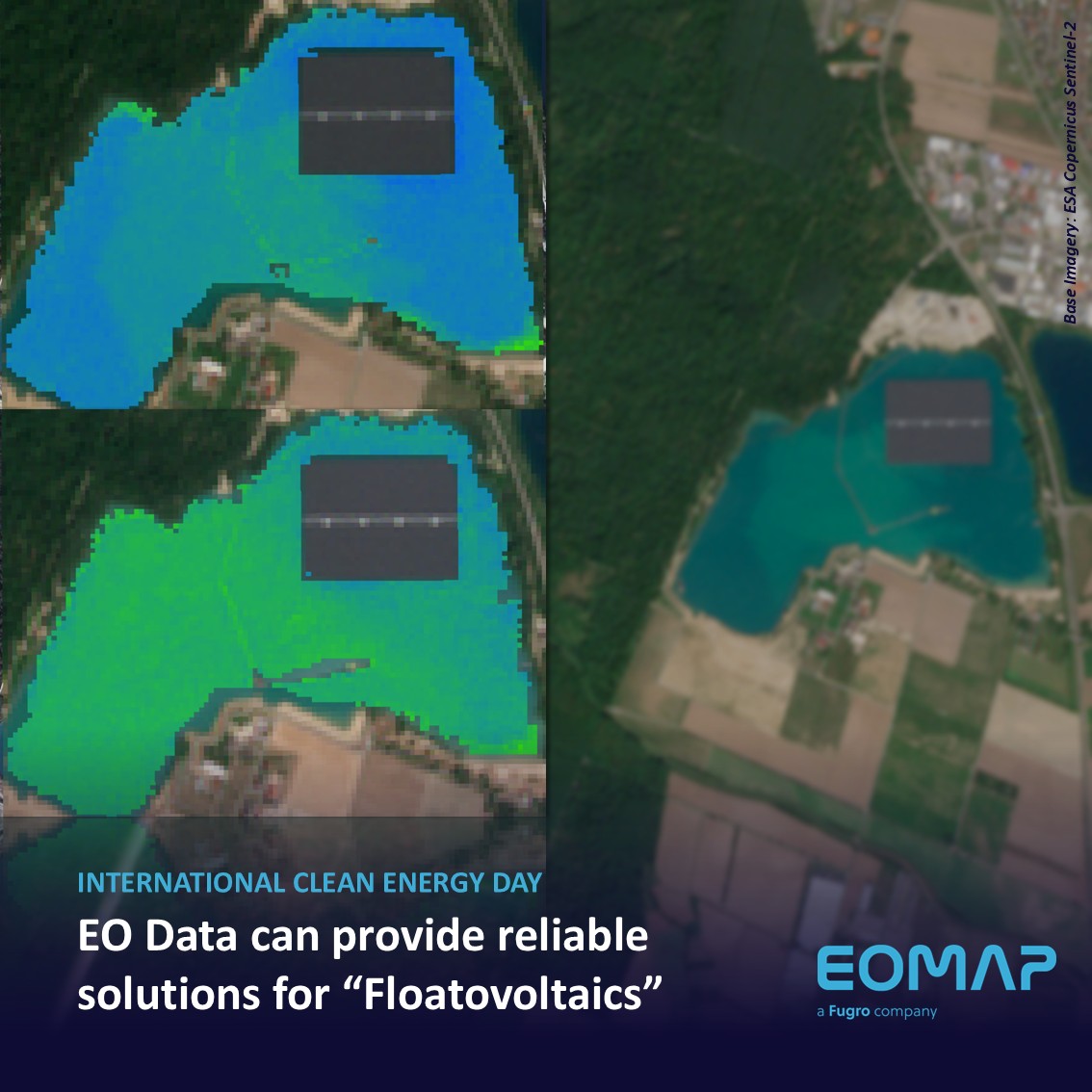
The image shows Philippsee, Germany’s the largest floating photovoltaic (PV) installation in 2024. It was processed on the basis of ESA’s Copernicus Sentinel-2 imagery.
Let’s connect
Check out more use cases here.
For your applications, please get in touch with the water quality team.
Latest EOMAP News


Related Posts
03 / 2026
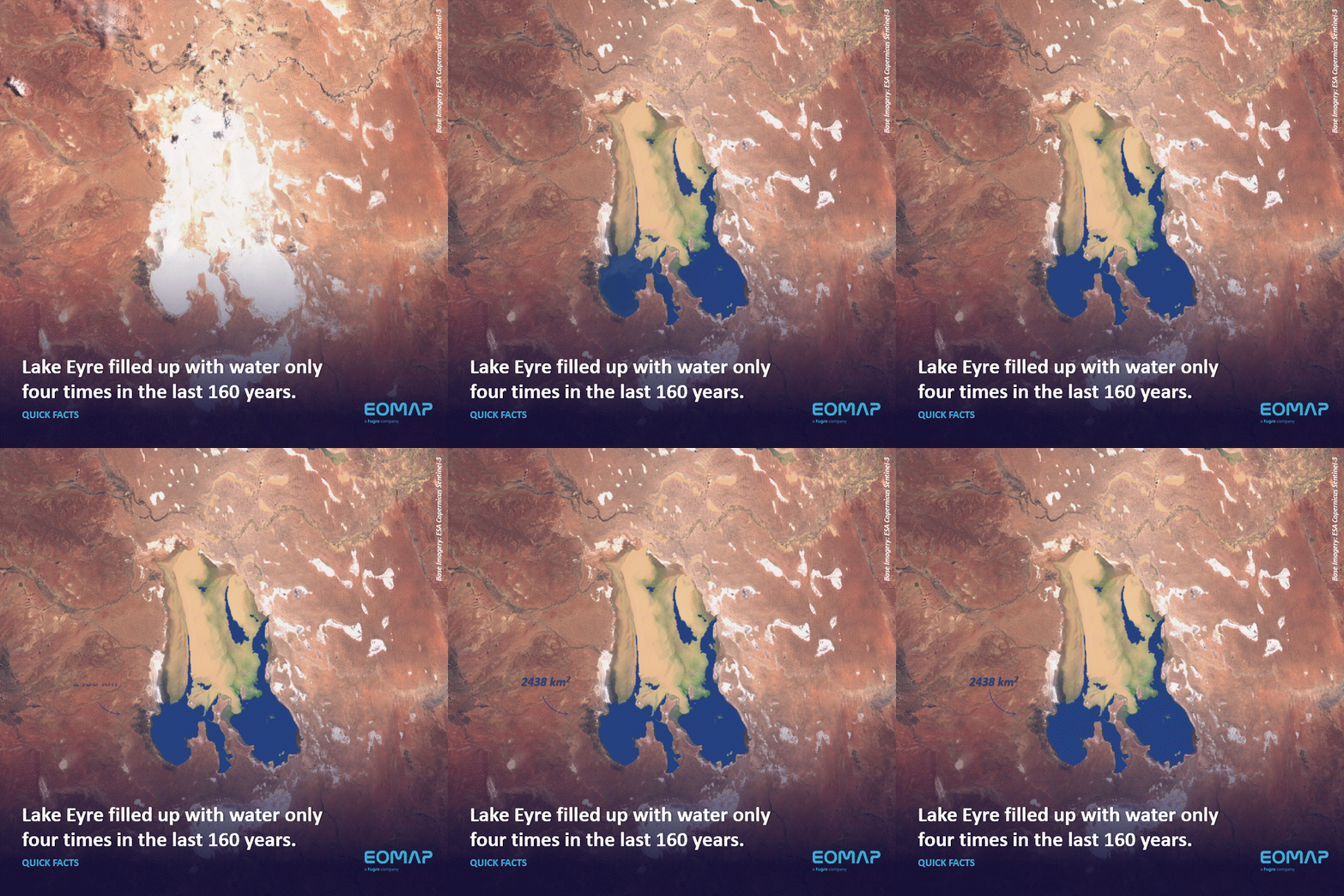
Quick Facts: Lake Eyre
02 / 2026
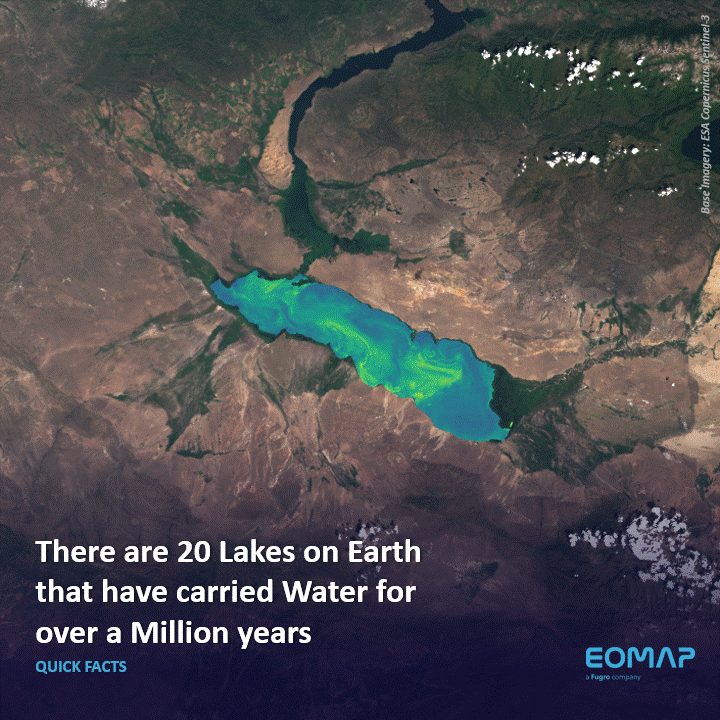
Quick Facts: Ancient Lakes
01 / 2026
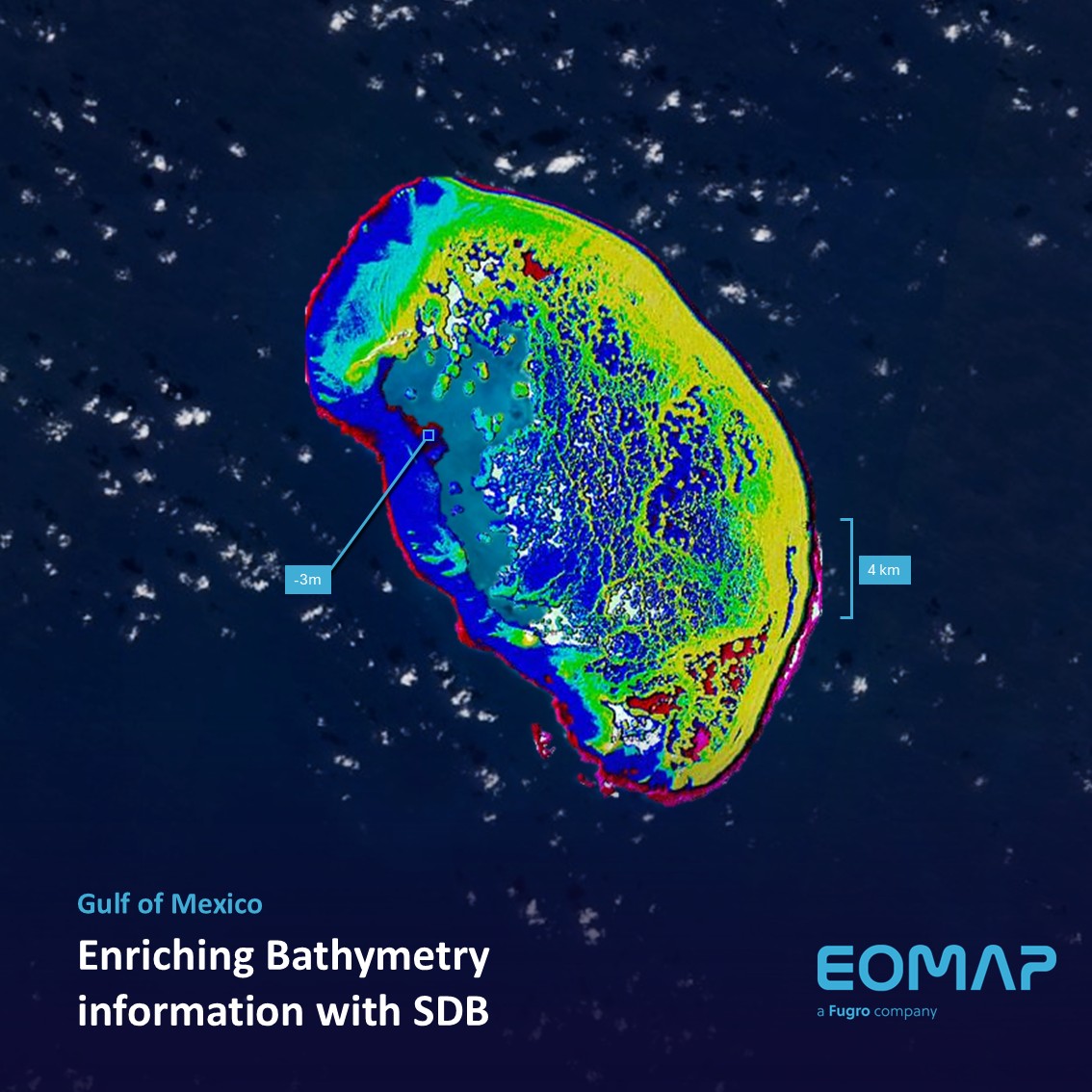
Bathymetry in the Gulf of Mexico

01 / 2026
Pro-active hydropower management in winter
12 / 2025
From Climate to Nature and Biodiversity: Insights on COP30
12 / 2025
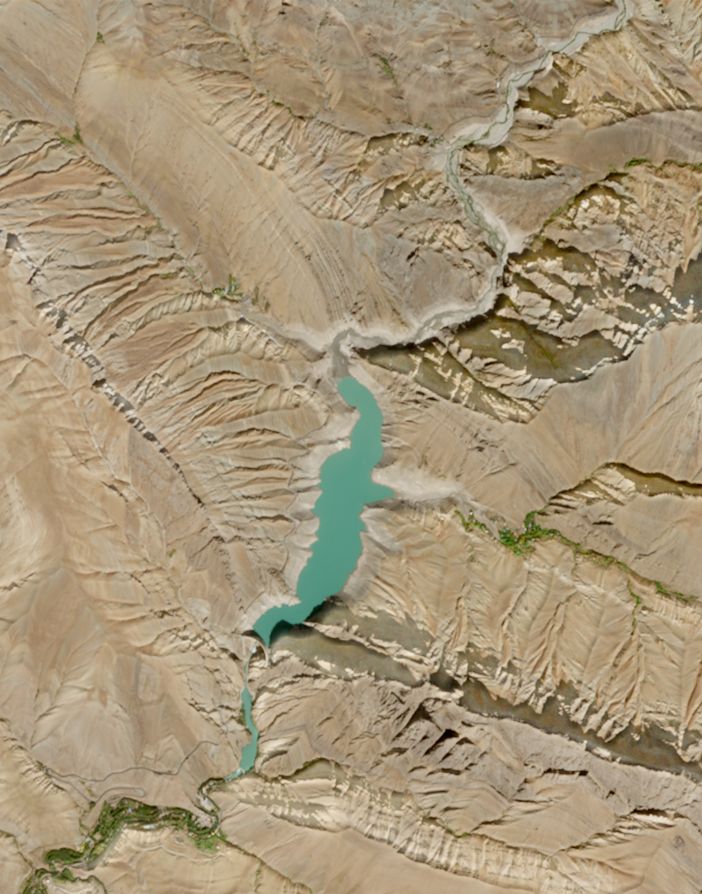
Water Crisis in Iran – Lessons to be learned
11 / 2025
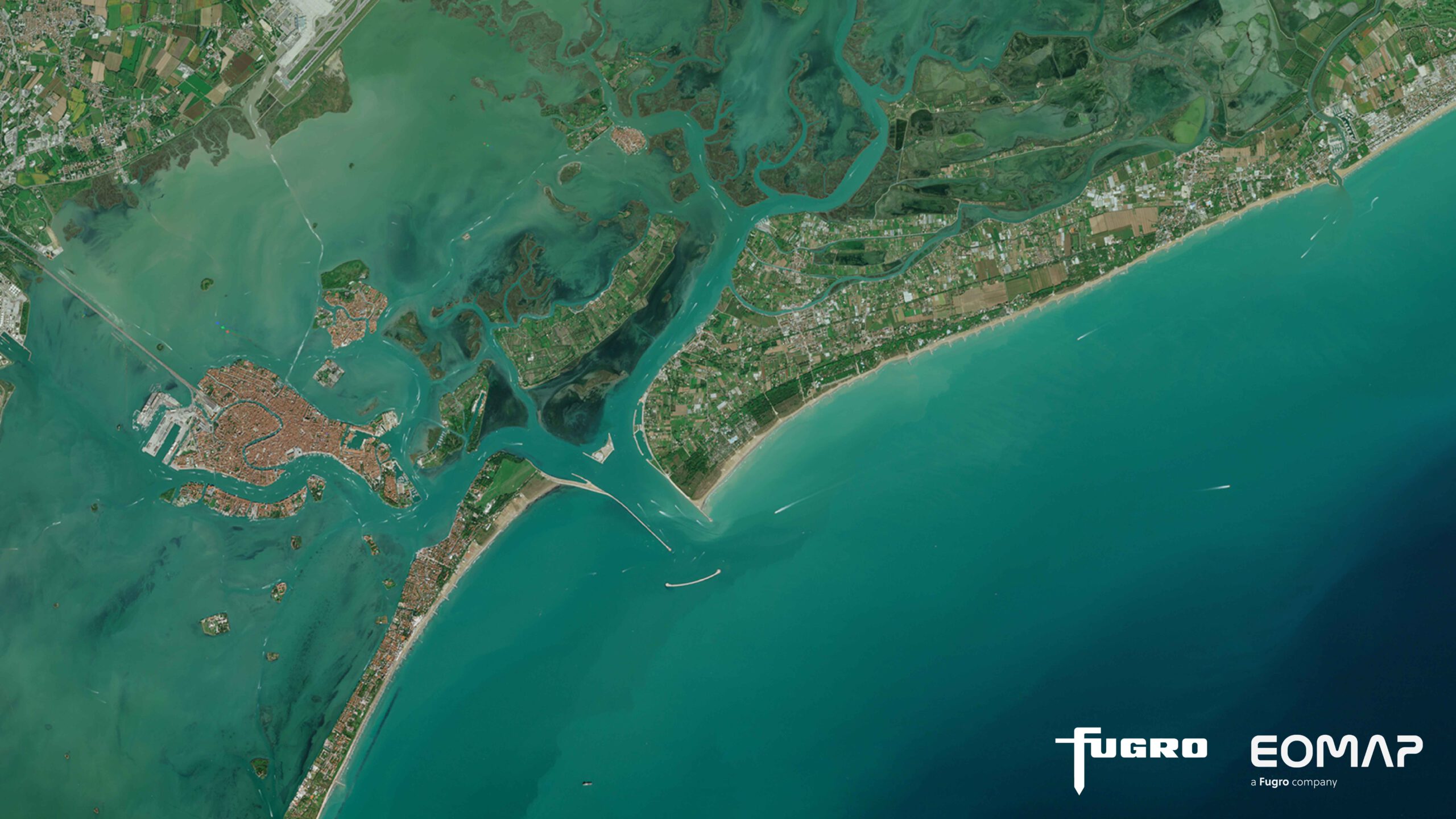
Italian Webinar: Water Quality Monitoring from Space

11 / 2025
Projektstart SEAGUARD
10 / 2025
New Storymap: Bathing Water Monitoring from Space
09 / 2025