
Welcome to our ‘Quick Facts’ series! In this new series, we are spotlighting remarkable places on our planet while deepening our understanding of aquatic ecosystems. This time, we’ll focus on lake Eyre.
Ephemeral lakes are temporary water bodies with very dynamic water levels influenced by inflows, precipitation, and evaporation. They appear only when the conditions are right.
Kati Thanda’s transformation after rare rains
Lake Eyre also known as Kati Thanda is one such endorheic basin with Flood‑to‑Dry Cycle and according to Guiness book of world records, the largest ephemeral lake. Most years, Kati Thanda lies as a vast, gleaming salt pan, the lowest natural point on the Australian continent at about 15 meters below sea level. But during rare periods of heavy rainfall in its distant catchments, it transforms into a shimmering inland sea.
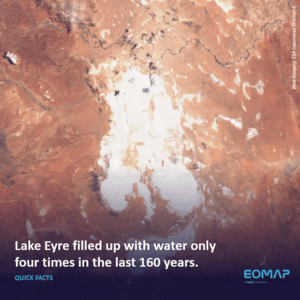
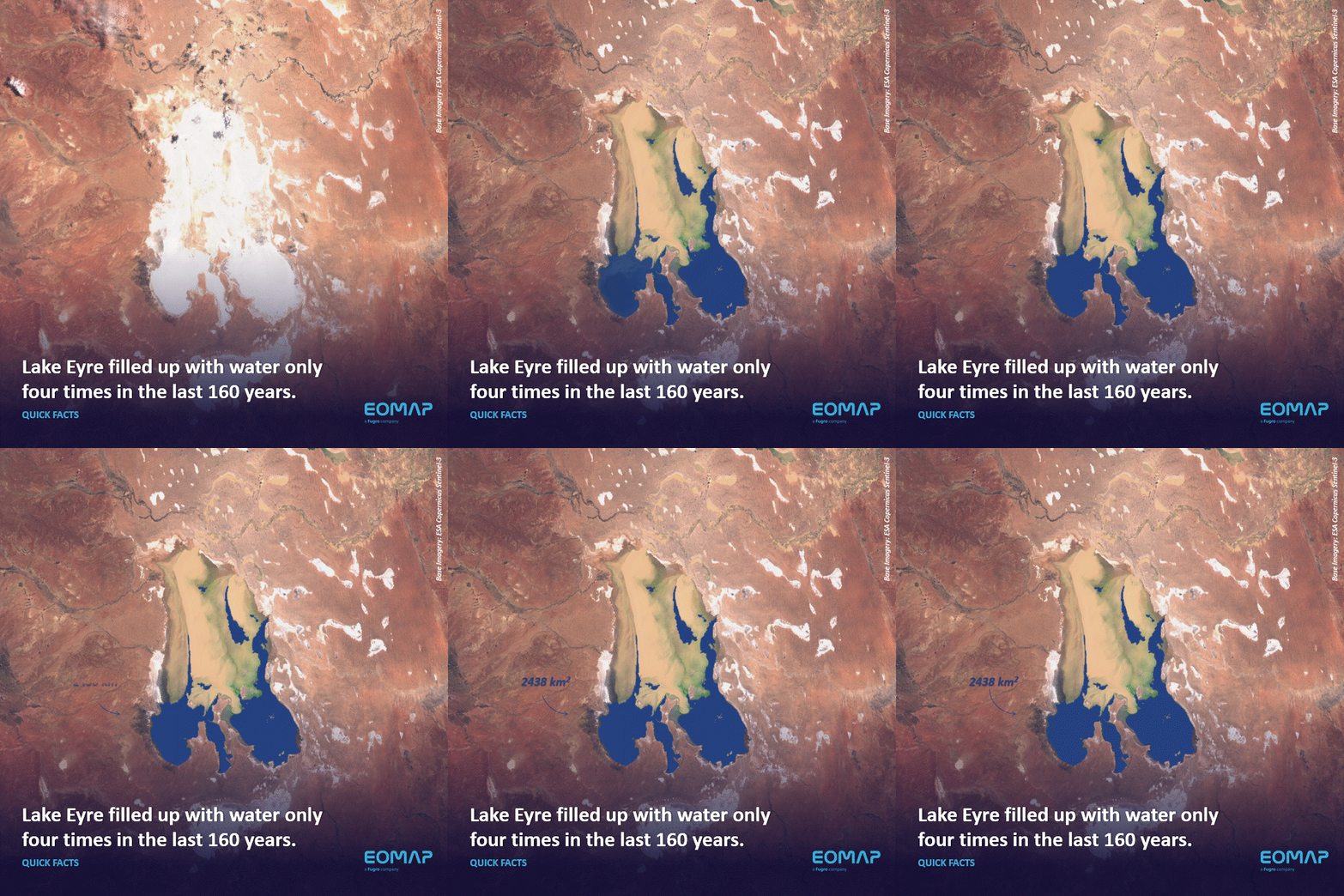
Water Extent calculated by EOMAP using Copernicus Sentinel-3 imagery.
Heavy rains in Queensland in early 2025 sent major inflows toward the basin leading to one of the more significant flood events of the 21st century, though not filling up the lake completely.
The image below the Water Extent of 2438 km2 calculated by EOMAP using Copernicus Sentinel-3 imagery.
Let’s connect
Learn more about integrated water quality monitoring here.
For hands-on insights on your lake, please contact the water quality team.
Latest EOMAP News

Reuters bases Mekong article on EOMAP data

UKHO’s highest-ranked Satellite-Derived Bathymetry provider in 2015

Mapping the ‘unmappable’ Great Barrier Reef

Dredge plume monitoring using satellite-based turbidity mapping

Pioneering seagrass mapping at the Italian coastline in 2006

Mapping Ningaloo Reef 2009: A Breakthrough in Hyperspectral Marine Habitat Analysis
Related Posts
06 / 2026
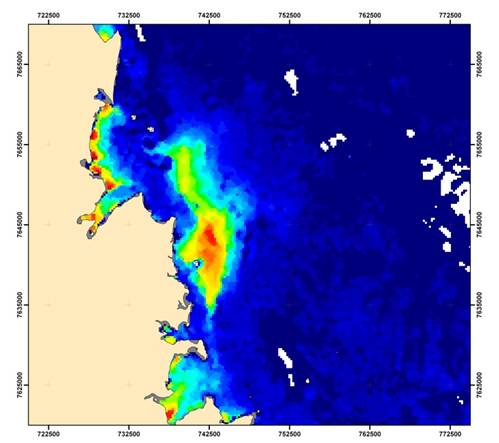
Dredge plume monitoring using satellite-based turbidity mapping
04 / 2026
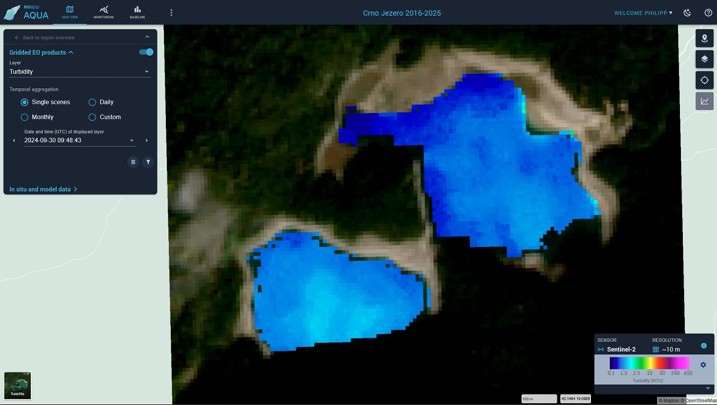
Advocating for Healthy Mountain Ecosystems
04 / 2026
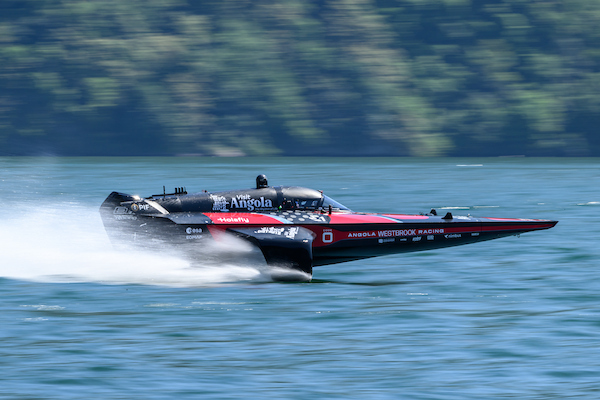
Environmental monitoring for sporting events
04 / 2026
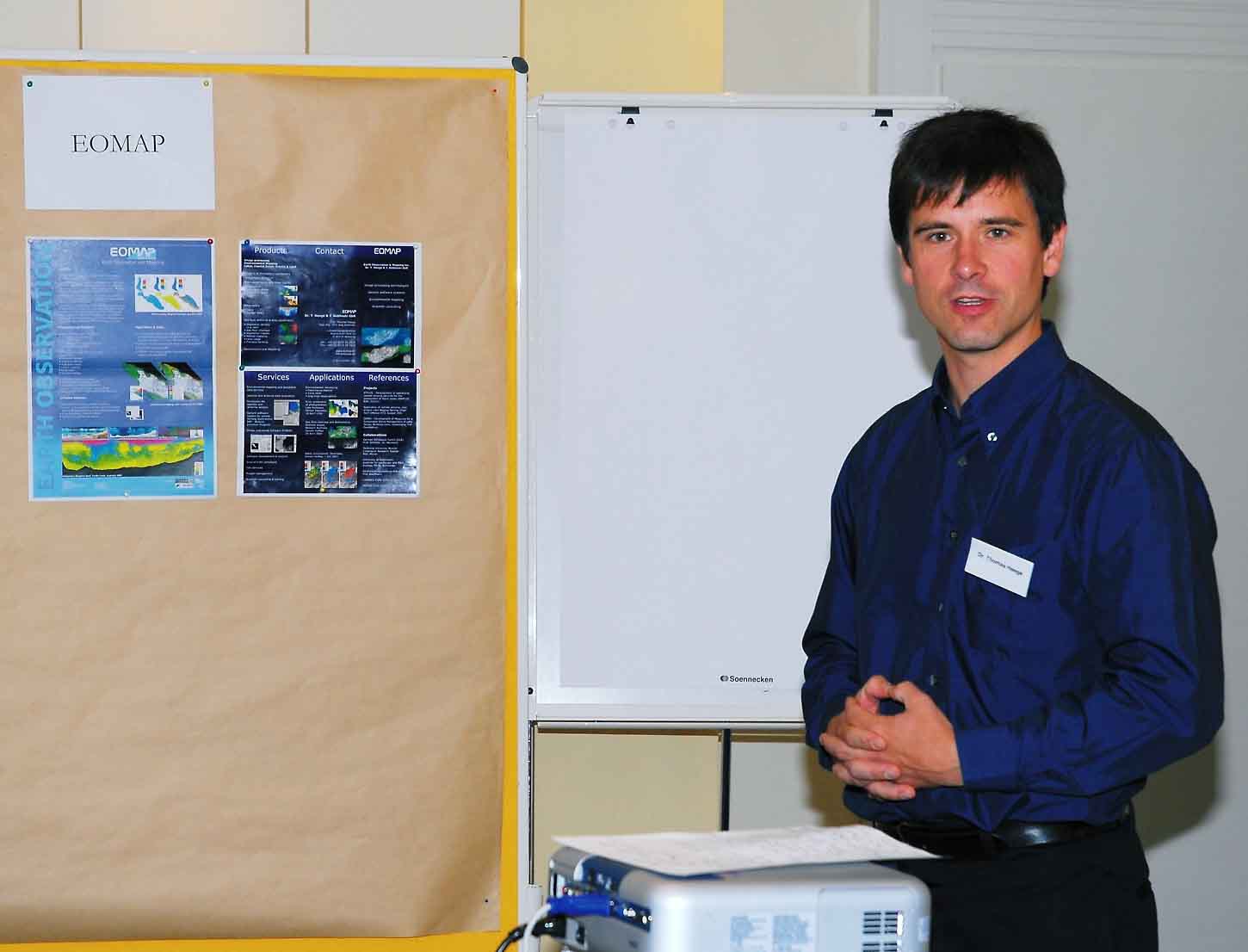
20 Years EOMAP: Advancing Earth Observation
03 / 2026
New BD & Sales Manager for the Americas
02 / 2026
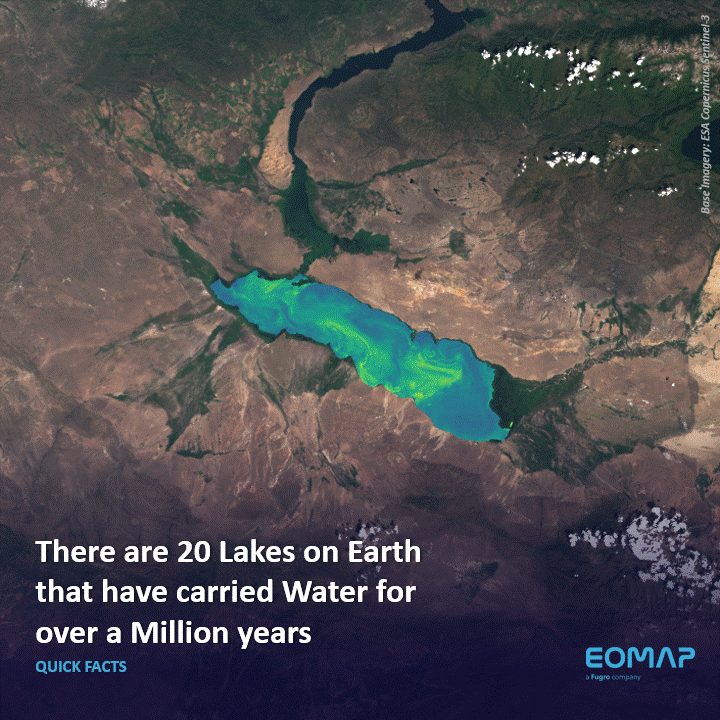
Quick Facts: Ancient Lakes
01 / 2026
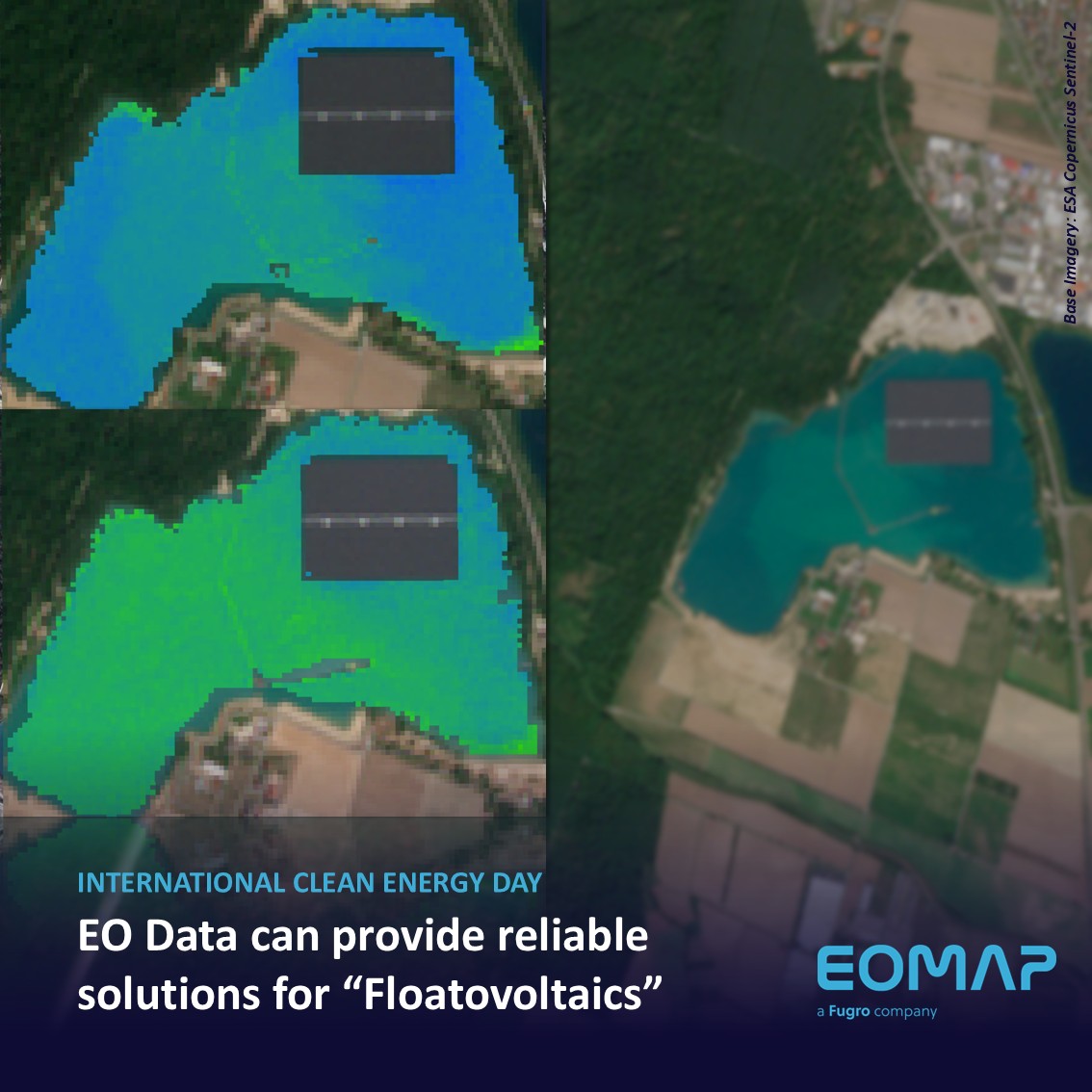
Space-based Intelligence for Clean Energy
01 / 2026
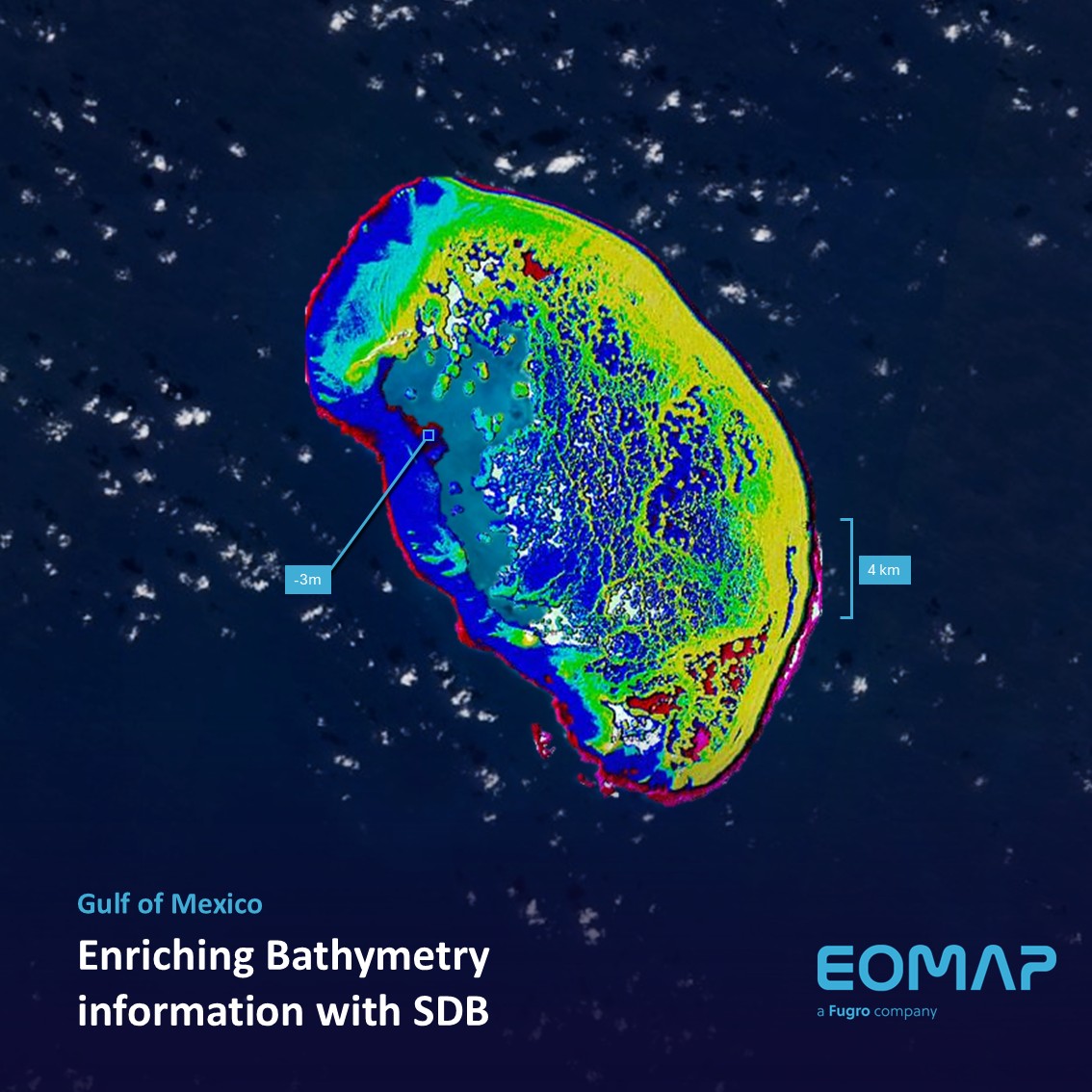
Bathymetry in the Gulf of Mexico

01 / 2026
Pro-active hydropower management in winter
12 / 2025